











Lifestyle
Inside Ruqsana Begum’s Championship Preparation
If you don’t follow combat sports, you may not have come across Ruqsana Begum before. An English professional kickboxer and boxer, Ruqsana has competed at the highest levels of Muay Thai, kickboxing and boxing.
Her career began in kickboxing and Muay Thai, where she became British Atomweight Muay Thai Champion in 2010 and went on to win the World Kickboxing Association World Championship in 2016. She also represented and captained the British Muay Thai Team, and won medals at both the World Amateur Kickboxing Championships and the IFMA World Championships.
In 2018, Ruqsana made the transition from professional kickboxing to boxing. In 2023, she added the World Boxing Union Female Intercontinental Championship to her achievements.
Today, her preparation for championship boxing continues to demand the same combination of discipline, training and attention to detail that has characterised her career.
Effect Doctors is supporting Ruqsana as a sponsor and medical support partner, working alongside her wider training and performance team. Our role is to provide personalised, doctor-led medical support around the demands of her preparation. So what does that look like in practice?
It started with blood testing
Preparing for a championship fight is about much more than what happens in the ring. Training load, nutrition, recovery, travel and overall health all have to come together during a period when there is little room for anything to be overlooked.
The first step for us was comprehensive blood testing. Rather than assuming that everything was where it needed to be, we wanted to establish a clear picture of Ruqsana’s health and nutritional status at the start of her preparation.
The results gave us a useful baseline and highlighted areas that needed attention. One of these was her iron status, with ferritin below the range we were looking for in the context of her preparation.
Iron is involved in normal oxygen transport and energy metabolism, so iron status is an important consideration during periods of demanding physical training. The blood results gave us something much more useful than guesswork. They allowed the medical team to identify an issue, address it and then monitor it as Ruqsana continued through her training camp.
Addressing her iron levels
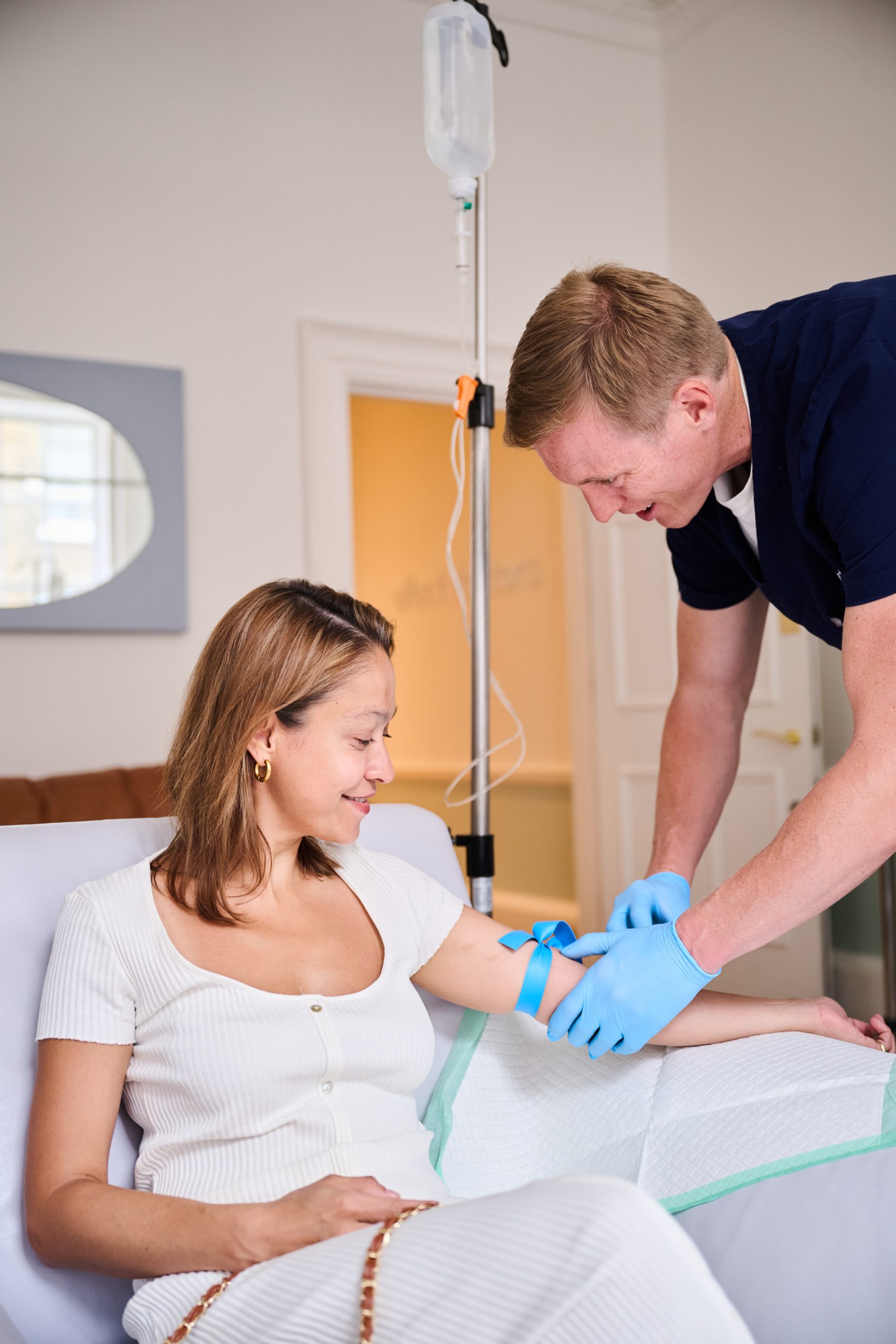
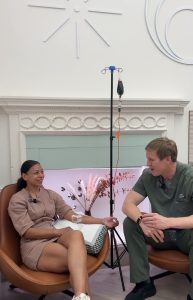
Once her iron test results had been reviewed, we addressed the low ferritin as part of Ruqsana’s individual medical plan. She received an intravenous iron infusion following clinical assessment and prescribing. The aim was to replenish her iron stores where clinically appropriate.
For us, this is an important part of the way we approach athlete healthcare. There isn’t a standard “fighter’s protocol” that everyone needs to follow. The starting point is the individual and what their clinical assessment and blood results tell us.
Looking at Vitamin D
Vitamin D was another area we considered as part of Ruqsana’s wider nutritional and medical support.
Vitamin D contributes to normal muscle function, maintenance of normal bones and normal immune function, all relevant considerations for someone undertaking demanding physical training. Following assessment of her individual requirements, vitamin D supplementation was incorporated into her programme.
Again, the principle was to respond to what Ruqsana actually needed rather than simply adding treatments for the sake of it.
Adding NAD+ to the programme
NAD+ was also incorporated into Ruqsana’s programme.
NAD+ is a naturally occurring coenzyme involved in cellular metabolism and energy-related processes. Its use in sports and recovery is an area of continuing interest, although it is important not to confuse its biological role with claims that NAD+ treatment necessarily improves athletic performance.
For Ruqsana, it formed part of the wider medical support around her preparation rather than being presented as a replacement for the fundamentals of training, nutrition, sleep and recovery.
Keeping things going while travelling
Championship preparation doesn’t always happen from one clinic. Ruqsana was travelling during her preparation, so we needed to find a practical way of maintaining continuity while she was away.
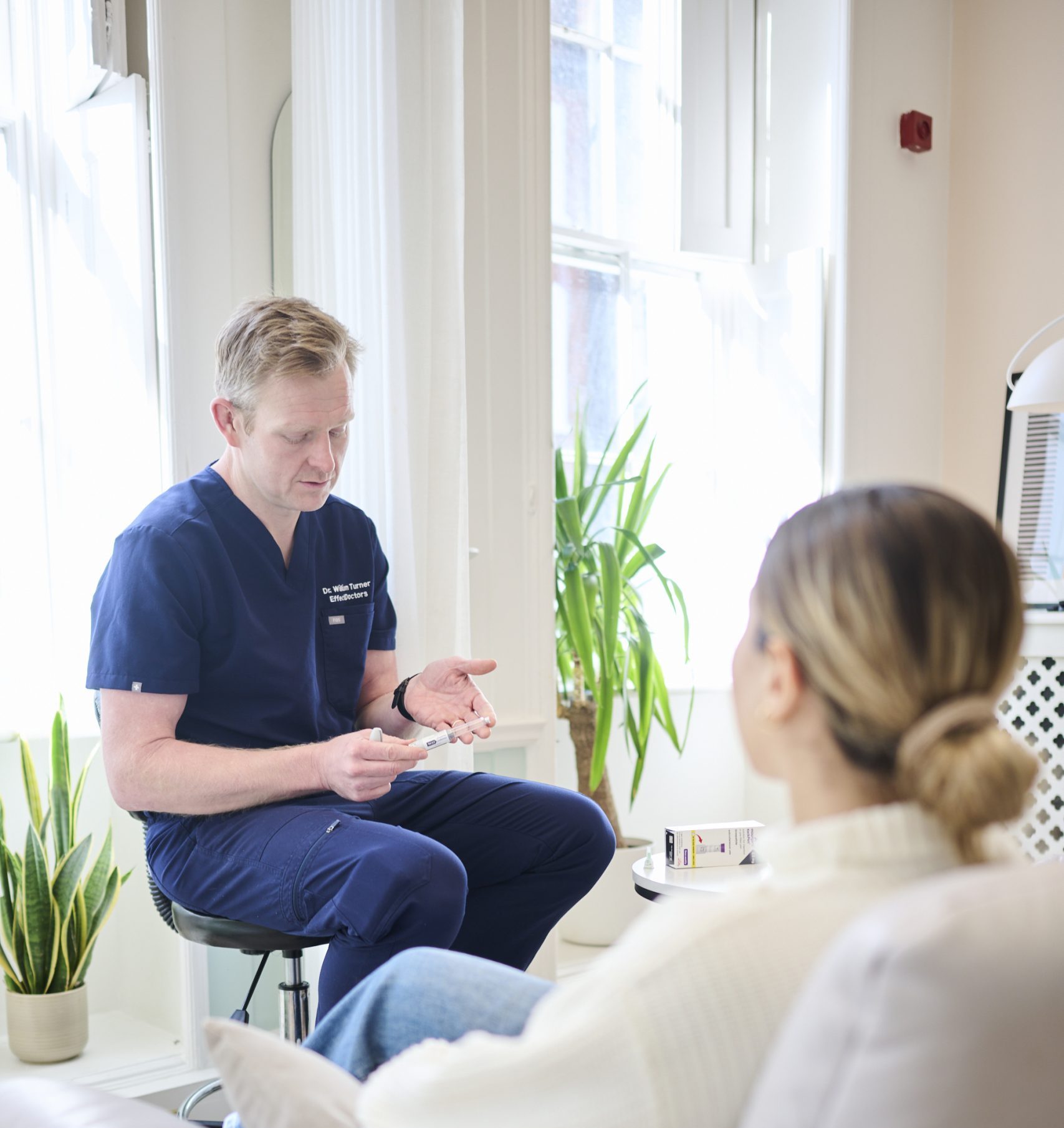
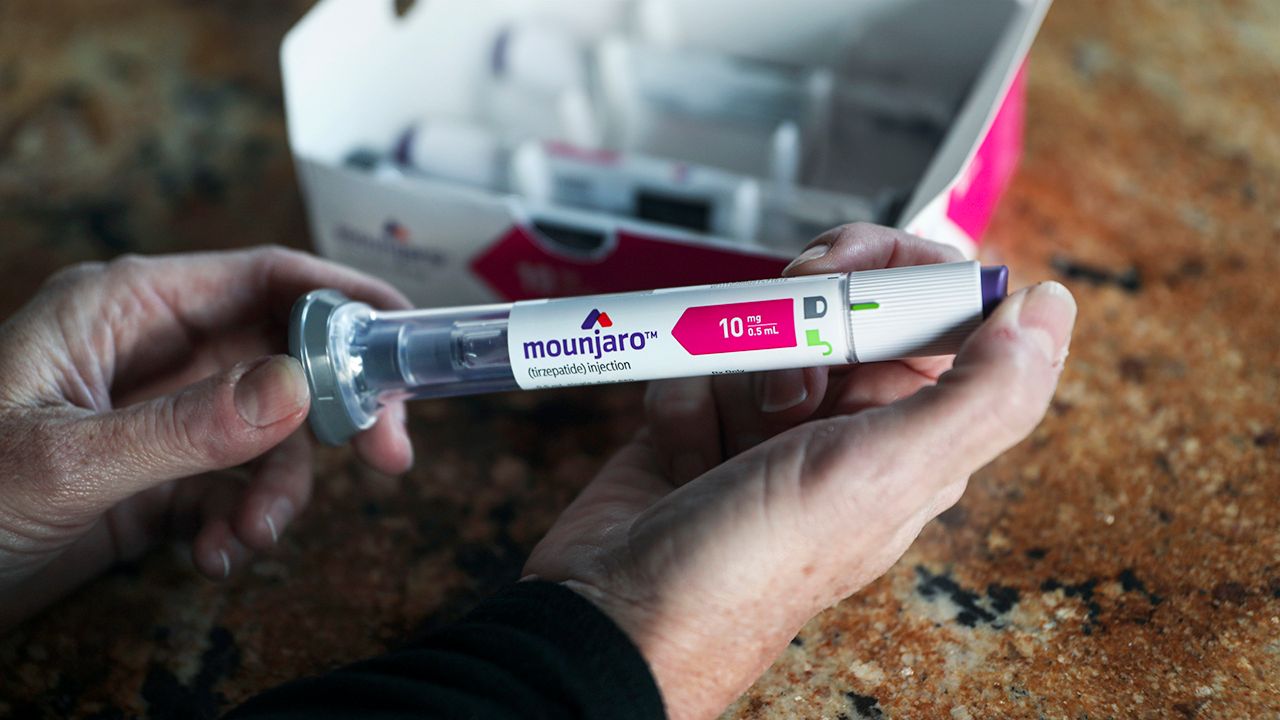
Where clinically appropriate and prescribed, we provided her with the VAION NAD+ pen for self-injection top-ups as part of her ongoing programme. The pen, supplied by VAION, gave us a practical way of adapting her NAD+ programme around her travel and training schedule rather than requiring every element of her care to take place at the clinic.
As with any injectable treatment, its use was subject to individual clinical assessment, appropriate prescribing and clinical oversight.
Hyperbaric Oxygen Therapy (HBOT)
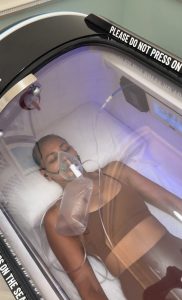
HBOT also became part of Ruqsana’s preparation. Hyperbaric oxygen therapy involves breathing oxygen in a pressurised chamber. It has a number of established medical applications, while its use in athletic recovery and performance continues to be an area of interest and research.
For Ruqsana, HBOT was incorporated into the wider recovery programme during an intensive period of training. We see this as complementary support rather than a shortcut. No treatment replaces the fundamentals of a good training camp — proper training, nutrition, hydration, sleep and sensible recovery remain at the heart of preparation.
It’s about putting everything together
What has been interesting about supporting Ruqsana is that there hasn’t been one single intervention that defines the programme. It has been about putting the pieces together.
We started with blood testing. That identified an area requiring attention in her iron status. We addressed that clinically, reviewed her nutritional requirements and incorporated vitamin D and other supportive treatments where appropriate. We then adapted the programme around the realities of an athlete’s life — including travel — and maintained continuity using the Vaion NAD+ pen where clinically appropriate.
That is ultimately how we approach medical support at Effect Doctors.
We don’t start with a treatment and look for someone to give it to. We start with the person, look at the evidence and then decide what is appropriate.
For a championship athlete, that means working alongside the rest of the team — coaches, nutrition professionals and other members of the performance team — while keeping health and appropriate medical oversight at the centre. Ruqsana’s preparation has given us an opportunity to do exactly that: provide personalised, doctor-led medical support around a demanding training programme, while adapting that support as her circumstances change.
And when fight night arrives, the hard work still belongs to the athlete.
Disclosure: Effect Doctors is a sponsor and medical support partner of Ruqsana Begum. This article describes aspects of the medical support provided during her championship preparation. Treatment decisions were based on individual clinical assessment and, where applicable, prescribing by an appropriately qualified clinician.
Recent effect insights

Lifestyle
What Japan Can Teach Us About Health Screening and Living Well for Longer
Living longer is one thing. Staying healthy, active and independent for as long as possible is another. Discover how Japan’s approac...
September 28, 2026

Lifestyle
Longevity Starts Here: The 5 Most Important Factors for Long-Term Health
Living longer is no longer the only goal. The real objective is extending your health span, the number of years you remain energetic, cap...
May 14, 2026
Lifestyle
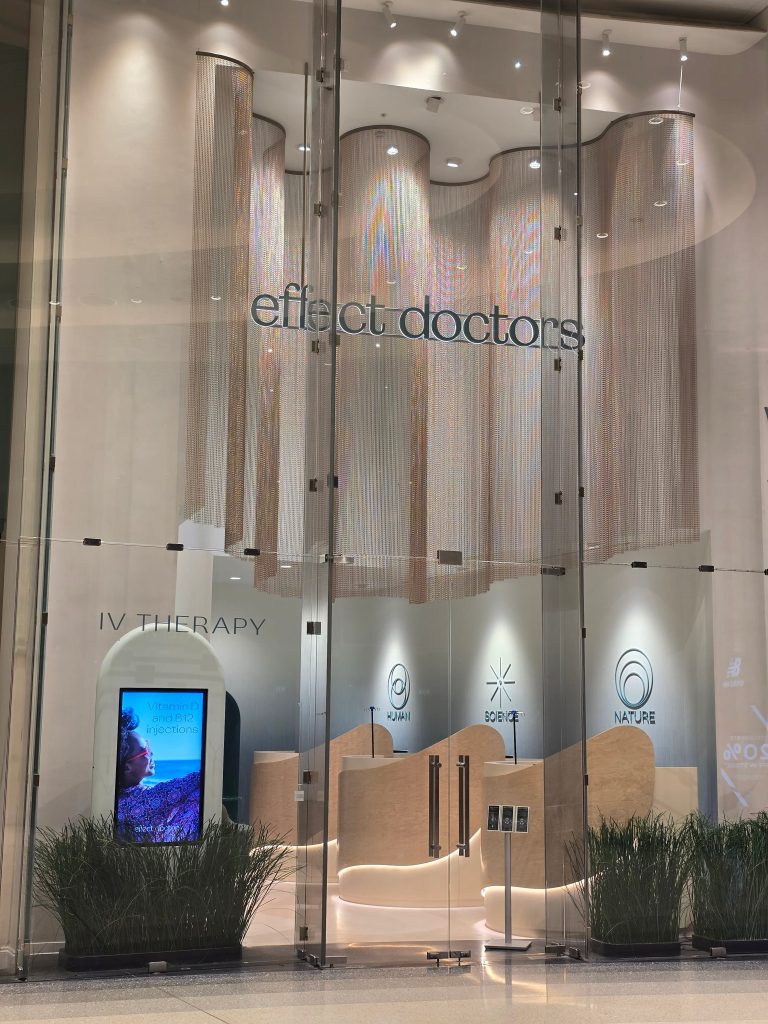
A Different Kind of Clinic at Westfield London: Private, Proactive Healthcare for Modern Life
It’s been a few months since we opened our clinic inside Westfield London, and looking back, it has quietly become one of the most inte...
February 19, 2026