















Well Person Elite
Our most comprehensive health screen, including full hormonal analysis for energy, mood, fertility, and ageing. Designed for those who want a complete and personalised view of their body’s performance.
£500 in clinic

What is the Well Person Elite Blood Test?
The Elite Health Screen is our most detailed and complete option, offering a full-spectrum view of your body’s internal function. It’s ideal for individuals experiencing hormonal symptoms, navigating menopause, fertility planning, or seeking deeper insight into energy levels, libido, and mood regulation. By combining comprehensive biochemical and hormonal analysis, this screen supports truly personalised health optimisation and long-term wellbeing planning.
If you would like to understand more about our Well Person range of blood tests and why they are so important please read our blog.

What's tested in the Well Person Elite?
The following tests and biomarkers are included in the Well Person Elite screen to provide a deeper and more detailed assessment of your health. Expand each section for more details.
Hormonal Health
Oestradiol
Follicle Stimulating Hormone (FSH)
Luteinising Hormone (LH)
Progesterone
Prolactin
Testosterone
Sex Hormone Binding Globulin (SHBG)
Free Androgen Index
Urinalysis
Bilirubin
Glucose
Ketones
Nitrite
pH
Protein
Red Blood Cells
Urobilinogen
White Blood Cells
Bone Health
Alkaline Phosphatase
Calcium (Adjusted)
Phosphate
Vitamin D
Diabetes Health
Glucose
HbA1c
Iron & Vitamin Status
Ferritin
Iron
B12
Folic acid
Thyroid Health
Thyroid Stimulating Hormone
Free Tri-iodothyronine (T3)
Free Thyroxine (T4)
Anti-Thyroglobulin Antibody
Anti-Thyroid Peroxidase Antibody
Tumour Markers
Total Prostate Specific Antigen (Male)
CA-125 (Female)
Full Blood Count
Haemoglobin
Haematocrit
Mean Cell Haemoglobin
Mean Cell Haemoglobin Concentration (MCHC)
Mean Cell Volume
Red Blood Cell Count
Basophil Count
Lymphocyte Count
Eosinophil Count
Monocyte Count
Neutrophil Count
White Blood Cell Count
Platelet Count
Liver Health
Alkaline Phosphatase
Alanine Aminotransferase
Aspartate Transferase
Gamma-glutamyl Transferase
Total Bilirubin
Albumin
Heart Health
Total Cholesterol
LDL Cholesterol
HDL Cholesterol
Total Cholesterol/HDL Ratio
Triglycerides
High Sensitivity C-Reactive Protein
CRP
Kidney Health
Creatinine
eGFR
Chloride
Potassium*
Phosphate
Sodium
Urea

I called this Tuesday, after the Bank Holiday, full of questions on how to navigate the process and get some iron for a severe deficiency. They were excellent.
Allie patiently explained the process and managed to fit me in just a few hours later.
Dr Klapan was welcoming, thorough in her health checks, and reassuring. It was a very calming space for an infusion, and I felt very comfortable there. Dr Klapan administered the infusion and was sure to check on patients regularly throughout. She created a very calming environment.
The clinic itself is also very comfortable. I'd recommend, whilst we all try to avoid going to clinics... I'll definitely be returning!
Thanks again.
What's the difference between Well Person, Advanced & Elite

Well Person
A foundational blood test covering your core systems — heart, liver, kidneys, and blood — to give you a clear snapshot of your current health.

Well Person Advanced
An expanded screen that builds on the basics with additional markers for hormones, deficiencies, and early disease risk.
Well Person Elite
The most comprehensive panel, adding a full hormonal profile to give a complete view of how your body is functioning and regulating itself.
FAQs
Should I stop taking supplements before a blood test?
Certain supplements, particularly biotin and high-dose vitamins, can interfere with some hormone and thyroid results. We’ll let you know if you need to pause any specific supplement ahead of your test when you book.
Can medication affect my blood test results?
Yes, some medications can influence certain markers, for example thyroid, hormone or blood sugar results. Let our team know what you’re taking when you book so we can advise on timing or flag it for our doctors reviewing your results.
Will I need a repeat blood test if something is abnormal?
Sometimes, yes. If a result is borderline or unexpected, our doctors may recommend a repeat test to confirm the finding before deciding on next steps, as this helps rule out temporary factors like recent illness or timing.
What should I do if my blood test results are outside the normal range?
Every result we provide is reviewed and explained by one of our doctors, who will guide you on what it means and any recommended next steps, whether that’s a lifestyle change, treatment, or referral to a specialist.
Can a blood test show prediabetes?
Yes, our Well Person Advanced and Well Person Elite screens include diabetes health markers that can help identify prediabetes before symptoms develop. Catching this early gives you the best chance to make changes that reduce your risk of developing type 2 diabetes.
Explore our articles on Blood Tests at Effect Doctors

Postpartum Iron Deficiency: Why New Mothers Are Often Iron Deficient After Birth
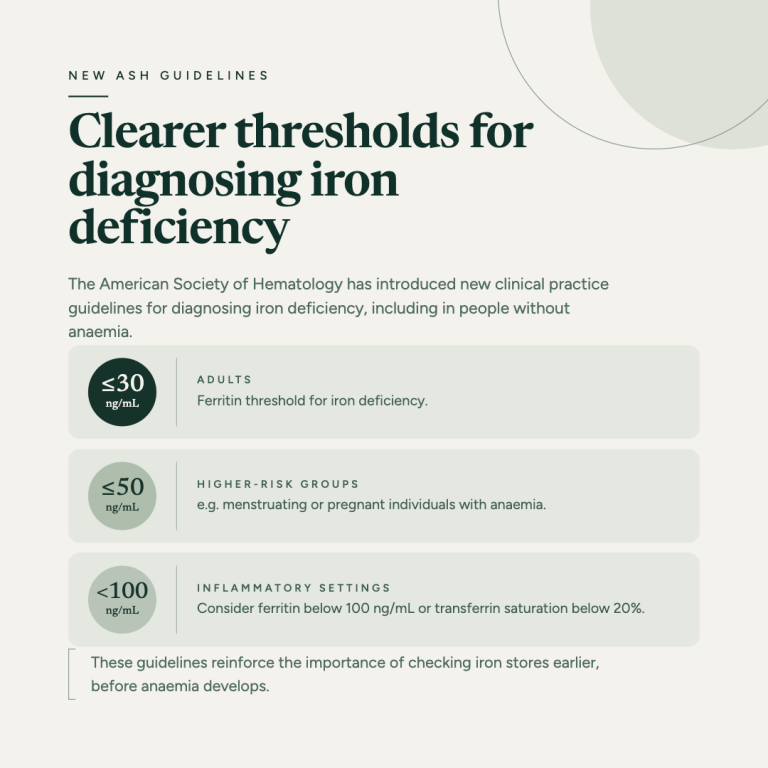
Iron Deficiency Without Anaemia: Why New ASH Guidelines Reflect the Approach We Take at Effect Doctors

Why “Optimum” Is Not the Same as “Normal” When Measuring Iron Levels in Women
Related Products